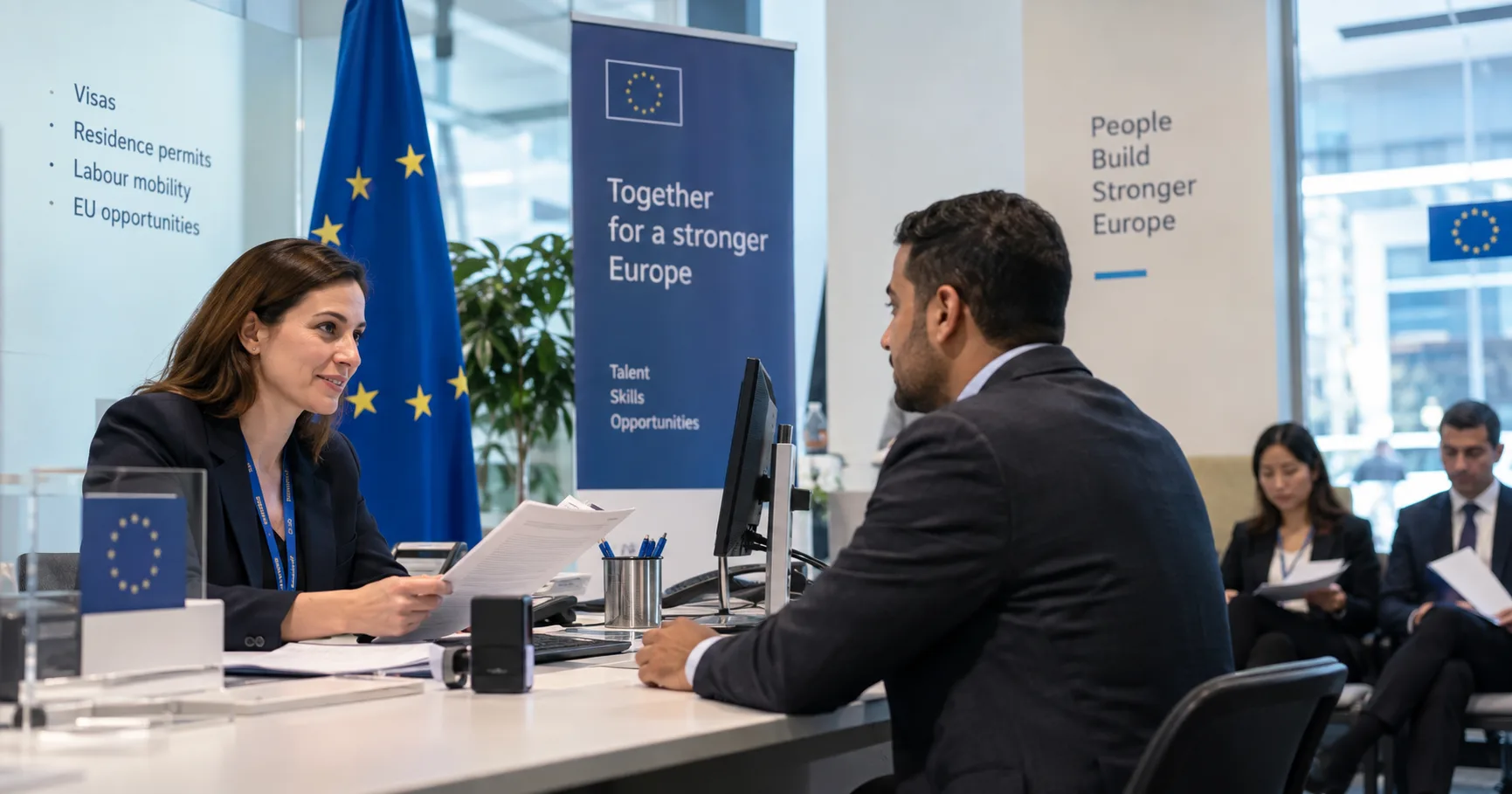
 Conectamos talento, abrimos oportunidades.
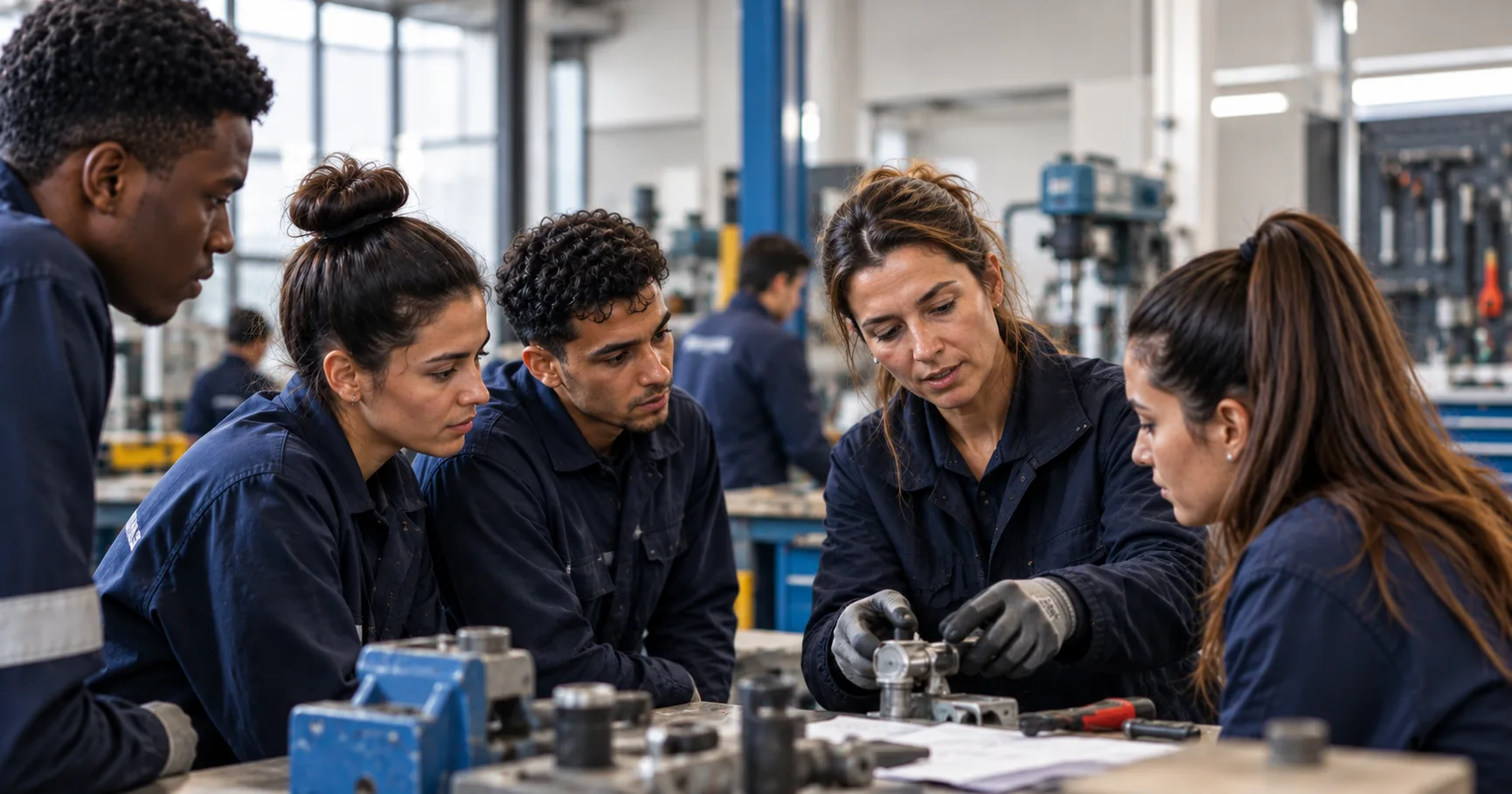
The shortage of professionals is forcing Spanish companies to rethink one of the traditional rules of the labour market: waiting to find the perfect candidate. A recent report by EL PAÍS highlights various programmes promoted by companies and foundations to train foreign individuals in sectors with a high demand for professionals. Construction, logistics, hospitality, automotive, electricity, or renewable energy installation are some of the areas where initiatives combining practical training, qualification, and labour intermediation are being developed.
Training is no longer considered solely as a stage prior to employment and is beginning to be designed based on the specific needs of companies. The objective is no longer simply to train more people, but to ensure that the acquired skills respond to positions that truly need to be filled.
The CEOE itself points out in the report that one of the main challenges of the labour market is to improve the match between available skills and the competencies demanded by companies. To this end, it considers it necessary to advance in the recognition of competencies and in greater business participation in the definition of professional profiles.
This evolution points towards a model in which training, employment, and international talent cease to function as independent pieces. It is precisely at this point that the proposal of Maude Mobility is situated. Through its project of Training Adapted to Project Needs, the company develops and articulates training programmes designed according to the profile of the participants, the characteristics of the position, and the specific needs of the companies.
The approach starts from a different question: not only what training exists, but what a company needs and what training itinerary can prepare a person to respond to that need.
These projects can incorporate vocational training, technical training linked to the position, sectoral specialisation, professional competencies, linguistic and cultural preparation, or training prior to labour incorporation. Furthermore, they can be structured together with companies and combine candidate recruitment, training, prior preparation, and subsequent professional incorporation.
For Maude Mobility, this methodology represents a way to connect three elements that are increasingly related: the needs of companies, training, and international talent. The objective is to build itineraries that respond to real market needs and that allow people to arrive better prepared for professional opportunities.
In a context in which certain companies have difficulties finding professionals, the question may cease to be solely where the worker they need is and become another: can we identify talent and prepare it for the opportunity?
At Maude Mobility, we make it possible. That is why we develop projects that connect training, talent, employment, and international mobility, adapting each solution to the sector, the professional profile, and the specific needs of each organisation.
Does your company have difficulties filling certain profiles? Do you need to prepare talent before their incorporation? Let us talk about your project.